Saltwater Fly Rod Questions and Answers
There’s a point in every angler’s progression where the questions start to matter more than the gear.
Not because the gear isn’t important, but because understanding why something works on the water is what actually makes you better. On the flats, in the marsh, or along an open shoreline, the conditions don’t stay the same. The wind shifts. The tide moves. Fish show up where you didn’t expect them.
The right saltwater fly rod helps you adapt to all of it.
This page answers the most common saltwater fly rod questions with clarity and experience behind them. No guesswork. No overcomplication. Just what works when you’re standing on the bow and the shot is in front of you.
Most Common Saltwater Fly Rod Questions
What is the best fly rod weight for redfish?
An 8 weight is widely considered the best fly rod weight for redfish.
It has the backbone to cast into coastal wind, enough control to turn fish in shallow water, and the accuracy needed for quick shots along grass lines and moving tides. Whether you’re fishing flooded marsh or open flats, the 8 weight remains the standard.
If you want a deeper breakdown of setups and conditions, visit:
👉 /pages/redfish-fly-rod
Can you catch redfish on a 7 weight fly rod?
Yes, and in the right conditions, a 7 weight can be a strong choice.
On calm mornings or protected water, a 7 weight allows for softer presentations and more control at short distances. It’s especially useful when fish are shallow and easily spooked.
But once the wind starts pushing across the water or you need to throw heavier flies, most anglers step up to an 8 weight for consistency.
When should you use a 9 weight fly rod?
A 9 weight fly rod comes into play when conditions get tougher.
If the wind is steady, the flies are larger, or the fish are stronger, a 9 weight gives you the added power needed to stay in control. It’s a common tool for anglers targeting snook, striped bass, or fishing more exposed water where distance and line control matter.
What makes a good saltwater fly rod?
A good saltwater fly rod is built for performance under pressure.
It should have:
-
fast recovery for accurate casting
-
enough backbone to handle strong fish
-
corrosion resistant components for salt exposure
-
balance that allows you to cast all day
More than anything, it should feel dependable. When a fish shows up, the rod should do exactly what you expect it to do.
What is the most versatile saltwater fly rod weight?
The 8 weight is the most versatile option.
It covers a wide range of species including redfish, bonefish, snook, and striped bass. It performs well in wind, handles most fly sizes, and gives anglers a reliable setup for everyday inshore fishing.
If you’re choosing one rod to do it all, the 8 weight is the clear answer.
What weight fly rod should I use for saltwater flats fishing?
Flats fishing typically calls for a 7 weight to 9 weight depending on conditions.
For a complete breakdown of how rod weight applies across different environments, see the full guide:
👉 /blogs/news/saltwater-fly-rod-weight-guide
You can also explore rods built specifically for these conditions here:
👉 /collections/flats-fly-rods
Is an 8 weight fly rod enough for saltwater fishing?
In most inshore situations, yes.
An 8 weight fly rod for saltwater fishing can handle redfish, bonefish, snook, and a wide range of coastal species. It provides a balance of casting ease and fish fighting power that fits most real world conditions.
While a 9 weight has its place, the 8 weight remains the most practical and widely used option.
What is the difference between a 7 weight and an 8 weight fly rod?
This is one of the most common comparisons anglers make.
A 7 weight is lighter and better suited for calm conditions and smaller flies. It allows for more delicate presentations and excels in technical, shallow water situations.
An 8 weight adds more power. It handles wind better, casts heavier flies more easily, and gives you more control over stronger fish.
If you fish a mix of conditions, the 8 weight gives you more flexibility overall.
What is the difference between an 8 weight and a 9 weight fly rod?
The jump from 8 weight to 9 weight is about power and control.
A 9 weight fly rod for saltwater fishing is designed to:
-
push line through stronger wind
-
carry heavier flies
-
handle larger or more aggressive fish
An 8 weight is more versatile, while a 9 weight is better suited for demanding conditions where performance needs to be pushed a little further.
What is a good inshore fly rod setup?
A dependable inshore fly rod setup is simple and effective.
Most anglers build around:
This setup covers the majority of redfish and flats fishing scenarios and is a strong starting point for anglers fishing coastal water.
Do you need a fast action rod for saltwater fly fishing?
In most cases, yes.
Fast action rods are better suited for saltwater because they:
-
load quickly
-
recover faster
-
improve casting accuracy
-
perform better in wind
On the flats, where shots are quick and conditions change, this responsiveness matters.
What length fly rod is best for saltwater?
A 9 foot fly rod is the standard for saltwater fishing.
It provides the right balance of casting distance, line control, and versatility across different fishing environments, from marsh creeks to open flats.
How important is wind when choosing a saltwater fly rod?
Wind plays a major role in rod selection.
Even on calm days, there’s usually some movement across the water. As wind increases, rod weight and action become more important. Heavier rods like an 8 weight or 9 weight help maintain casting accuracy and control when conditions get less forgiving.
If you regularly fish exposed water, choosing a rod that handles wind well makes a noticeable difference.
Can one fly rod handle all saltwater fishing?
One rod can cover most situations, but not all.
An 8 weight is the closest thing to a do everything rod. It handles a wide range of species and conditions, making it ideal for anglers who want a single setup.
However, adding a 7 weight for calm conditions or a 9 weight for wind expands your range and gives you more control across different scenarios.
How do I choose the right saltwater fly rod?
Start with how you actually fish.
Think about:
-
your typical wind conditions
-
the species you target most
-
the type of water you fish
If your days are spent in the marsh chasing redfish, an 8 weight is the clear choice. If you fish calmer flats, a 7 weight might fit better. If you deal with consistent wind or larger fish, a 9 weight earns its place.
The best rod is the one that matches your real conditions, not the occasional ones.
Built for the Water You Fish
The difference shows up when it matters.
When the tide is moving and fish are sliding along the edge of a flat. When the wind picks up and the shot has to happen anyway. When you don’t get a second chance.
That’s where a well built rod earns its place.
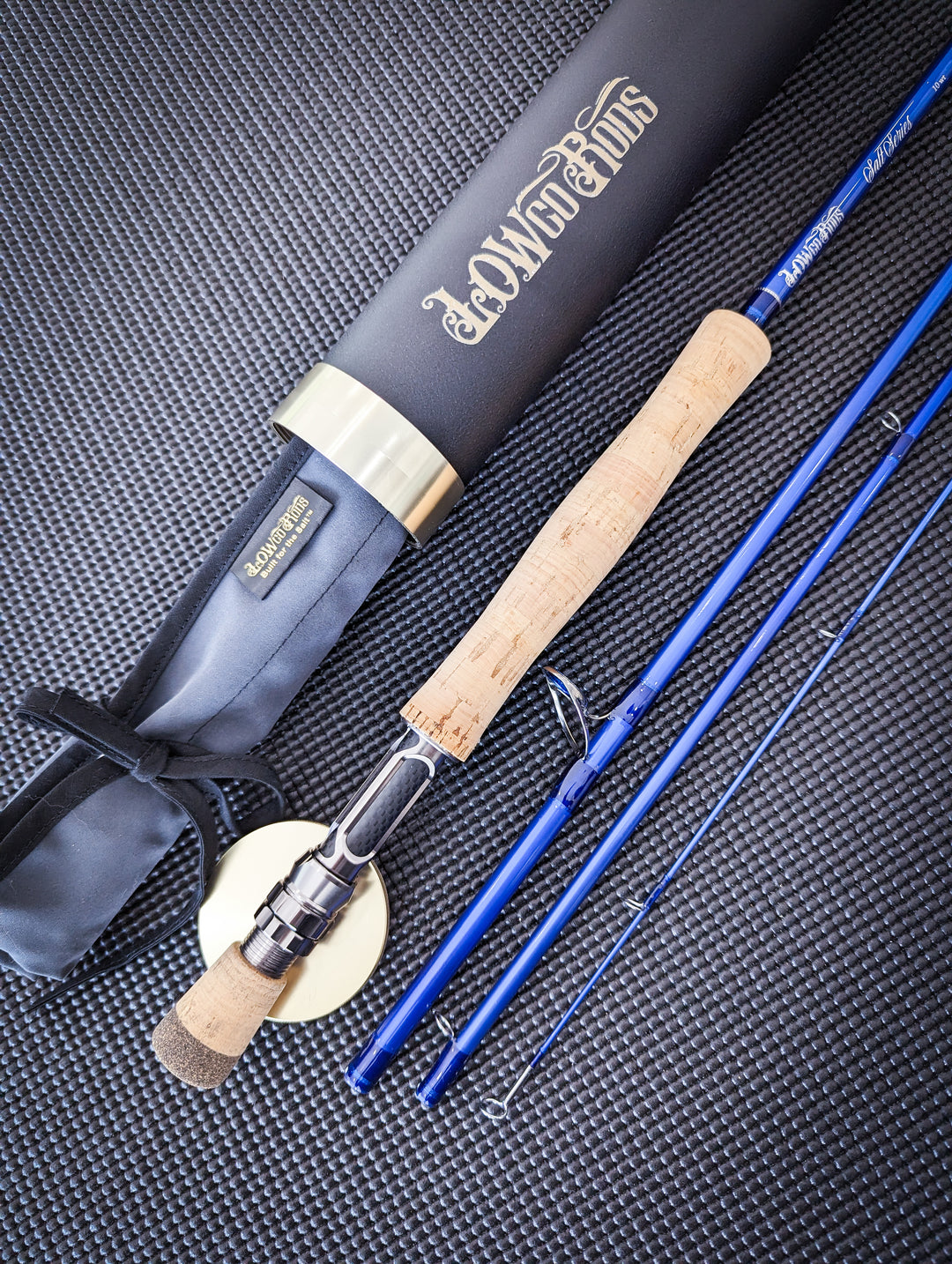
The Marsh MX series was built for those moments and balanced for accuracy. Strong enough for the conditions. Designed for anglers who spend their time on the water, not just talking about it.
If you’re ready to dial in your setup, start with the rod that fits how you fish and take a closer look at the Marsh MX lineup.
More Info:
Redfish Fly Rod Guide | Best Saltwater Fly Rod for Marsh & Flats – LowCo Rods
Flats Fly Rod | Best Fly Rods for Redfish, Bonefish, and Permit – LowCo Rods