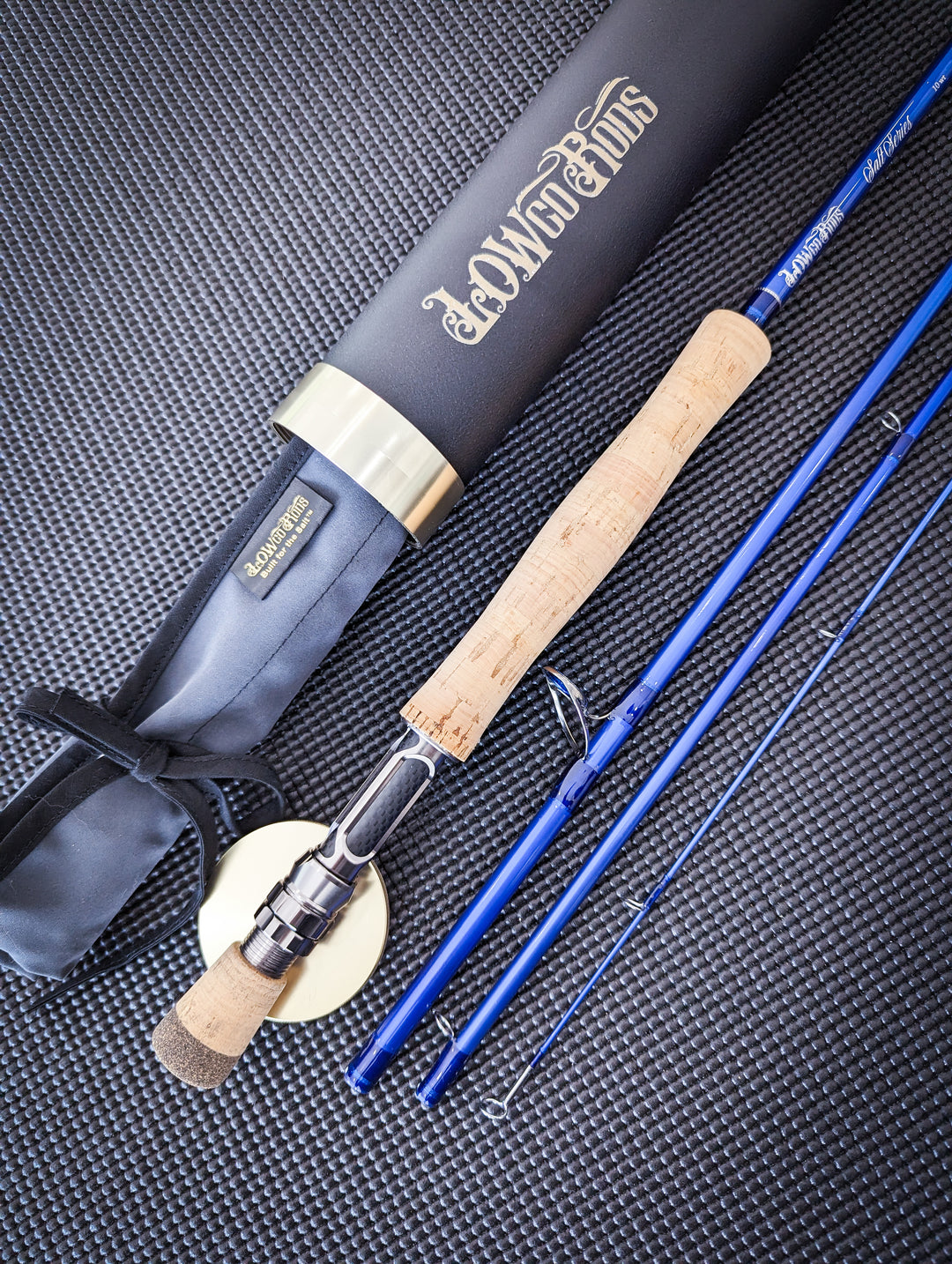
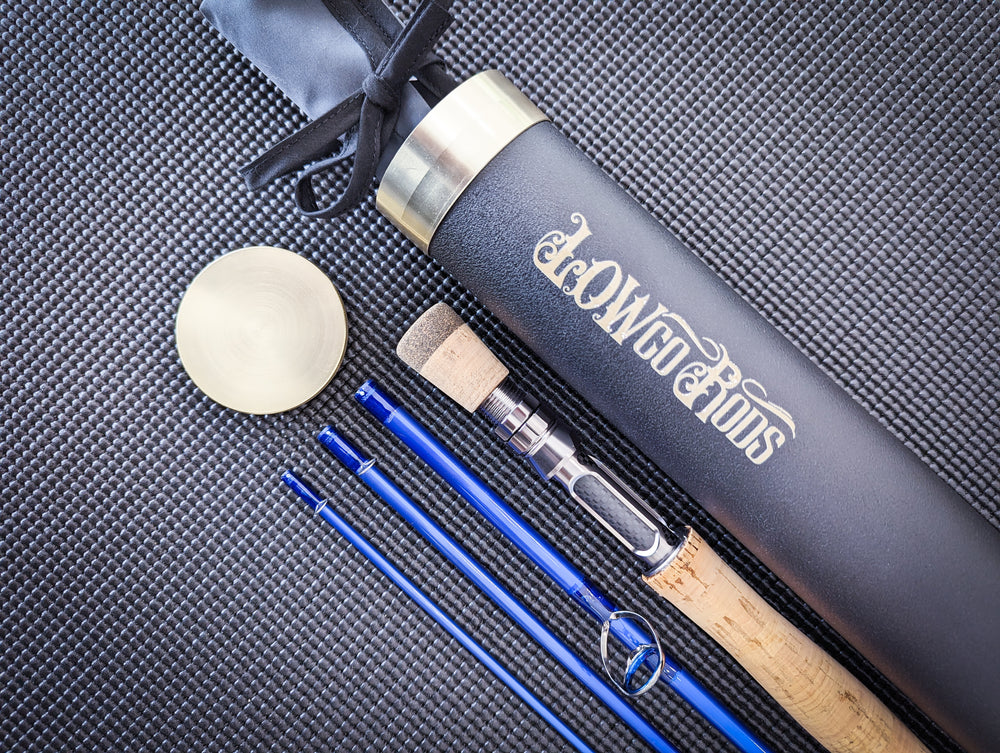
Flats Fly Rods for Redfish, Bonefish, and Permit
There’s a certain kind of fishing that happens when the water thins out and the tide starts to move. You’re standing on the bow, push pole tapping quietly behind you, watching for a shape that doesn’t quite belong. A tail tips. A shadow slides. The shot happens fast, and if your cast isn’t ready, the moment is gone.
That’s what separates flats fishing from everything else. It demands precision over power, timing over distance, and a fly rod that responds without hesitation.
A true flats fly rod is built for this kind of water. It’s designed to load quickly, track clean, and deliver accurate casts in wind, glare, and shifting current. Whether you’re stalking redfish along flooded grass, scanning open sand for bonefish, or waiting on a single permit to turn, the right rod makes the difference between seeing fish and actually catching them.
What Makes a Flats Fly Rod
A dedicated flats fly fishing rod is built around control.
Out here, you rarely get the luxury of false casting five or six times. Most shots are quick. One or two false casts, then the fly needs to land exactly where it should. That means the rod has to load fast and recover even faster.
Accuracy is everything. Not just hitting a target, but placing a fly ahead of a moving fish without spooking it. A good saltwater flats fly rod tracks tight, doesn’t wobble, and gives you confidence when the shot counts.
Then there’s wind. There’s always wind. Whether it’s a light push across a calm flat or a steady breeze rolling across open water, your rod needs enough backbone to cut through it without sacrificing feel.
And finally, balance. Flats fishing is a full day on the water. A rod that feels light in hand, that doesn’t fight you, is one you’ll fish better with from the first cast to the last.
Best Rod Weights for Flats Fishing
Choosing the right rod weight comes down to conditions, species, and how technical the fishing gets. There isn’t one perfect answer, but there is a clear range that covers nearly everything.
7 Weight for Light Flats
A 7 weight shines when conditions are calm and the water is shallow and clear.
It’s a great option for lighter presentations, smaller flies, and situations where stealth matters most. On quiet mornings or protected water, a flats fly rod in this range allows for delicate casts without overloading the presentation.
It’s often used for bonefish in ideal conditions and can double as a light inshore flats fly rod for smaller redfish or sea trout when the wind lays down.
8 Weight for Redfish
If there’s one rod that defines flats fishing, it’s the 8 weight.
This is the go to fly rod for redfish flats and the most versatile setup you can carry. It has enough power to handle wind, enough feel to stay accurate, and enough backbone to turn fish in shallow water.
From flooded grass to open mud flats, an 8 weight covers the majority of real world conditions. It’s also the best starting point if you’re looking for the best fly rod for flats fishing without overcomplicating the decision.
For a deeper breakdown on how rod weights perform across different conditions, see the full guide here:
Best Redfish Fly Rod Setup Guide
9 Weight for Wind and Permit
When the wind picks up or the target gets more demanding, the 9 weight steps in.
This is where added power matters. A 9 weight helps carry heavier flies, punch through wind, and reach fish that don’t give you much room for error. It’s a common choice for anglers dialing in a permit fly rod setup, where distance and control both matter.
It also becomes valuable on open water days where longer casts are required and conditions are less forgiving.

Flats Fishing Scenarios
The flats aren’t one environment. They shift with tide, light, and bottom composition. The rod you choose has to match how you’re fishing, not just what you’re fishing for.
Redfish in the Marsh
Shallow grass, moving water, and fish that appear and disappear in seconds.
Redfish demand quick reactions and tight casts. Most shots are inside of forty feet, often closer. This is where an 8 weight excels. It gives you the ability to pick up and redirect quickly, placing the fly ahead of a fish that’s already moving.
If you’re focused specifically on redfish setups, this guide breaks it down further:
Redfish Fly Rod
Bonefish on Open Flats
Clear water and longer sight lines change the game.
Bonefish often require longer casts and softer presentations. Here, a 7 weight or 8 weight becomes the standard depending on wind. The focus shifts from power to finesse, but accuracy remains just as critical.
The best anglers aren’t casting farther. They’re casting cleaner.
Permit and Technical Shots
Permit don’t give you many chances.
You may wait all day for one shot, and when it comes, everything has to be right. A 9 weight provides the control needed to deliver a fly at distance, especially when wind and nerves both show up.
This is where rod performance matters most. There’s no room for inconsistency.
Why Marsh MX Rods Are Built for the Flats
Every rod in the Marsh MX lineup is shaped by time on the water, not just time on a bench.
These rods are built to handle salt, wind, and the kind of fishing where you don’t get second chances. They balance power and feel in a way that lets you stay accurate without sacrificing strength when a fish turns.
They’re designed for real conditions. Moving tide. Shallow water. Wind that doesn’t quit.
Whether you’re fishing a 7 weight in calm water, an 8 weight as your everyday workhorse, or a 9 weight when conditions push back, each rod is built with the flats in mind.
Explore the lineup:
Choosing the Right Flats Fly Rod
The right rod comes down to how and where you fish most often.
If your days are spent in protected water with lighter wind, a 7 weight offers control and finesse. If you’re chasing redfish across a range of conditions, an 8 weight is the most dependable choice. And if you regularly deal with wind, distance, or more technical species, a 9 weight gives you the edge.
Think about your water. Think about your conditions. Choose the rod that matches them.
Frequently Asked Questions
What weight fly rod is best for flats fishing?
An 8 weight is the most versatile flats fly rod. It handles redfish, moderate wind, and a wide range of conditions.
Is an 8 weight enough for redfish?
Yes. An 8 weight is considered the standard for redfish and is the most commonly used rod for marsh and flats fishing.
What rod do I need for bonefish?
A 7 weight or 8 weight is typical depending on wind conditions. Calm water favors a 7 weight, while wind pushes most anglers toward an 8.
Can one rod handle all flats fishing?
An 8 weight comes closest. It can cover redfish, bonefish, and even light permit situations, making it the best all around choice.
Out on the flats, everything happens in a moment. The push of the tide, the angle of the sun, the direction of the wind. The right rod doesn’t slow you down. It keeps you ready.
The Marsh MX series was built for that kind of fishing.
More Flats and Saltwater Fly Rod Guides
Saltwater Fly Rod Questions and Answers
Redfish Fly Rod Guide | Best Saltwater Fly Rod for Marsh and Flats