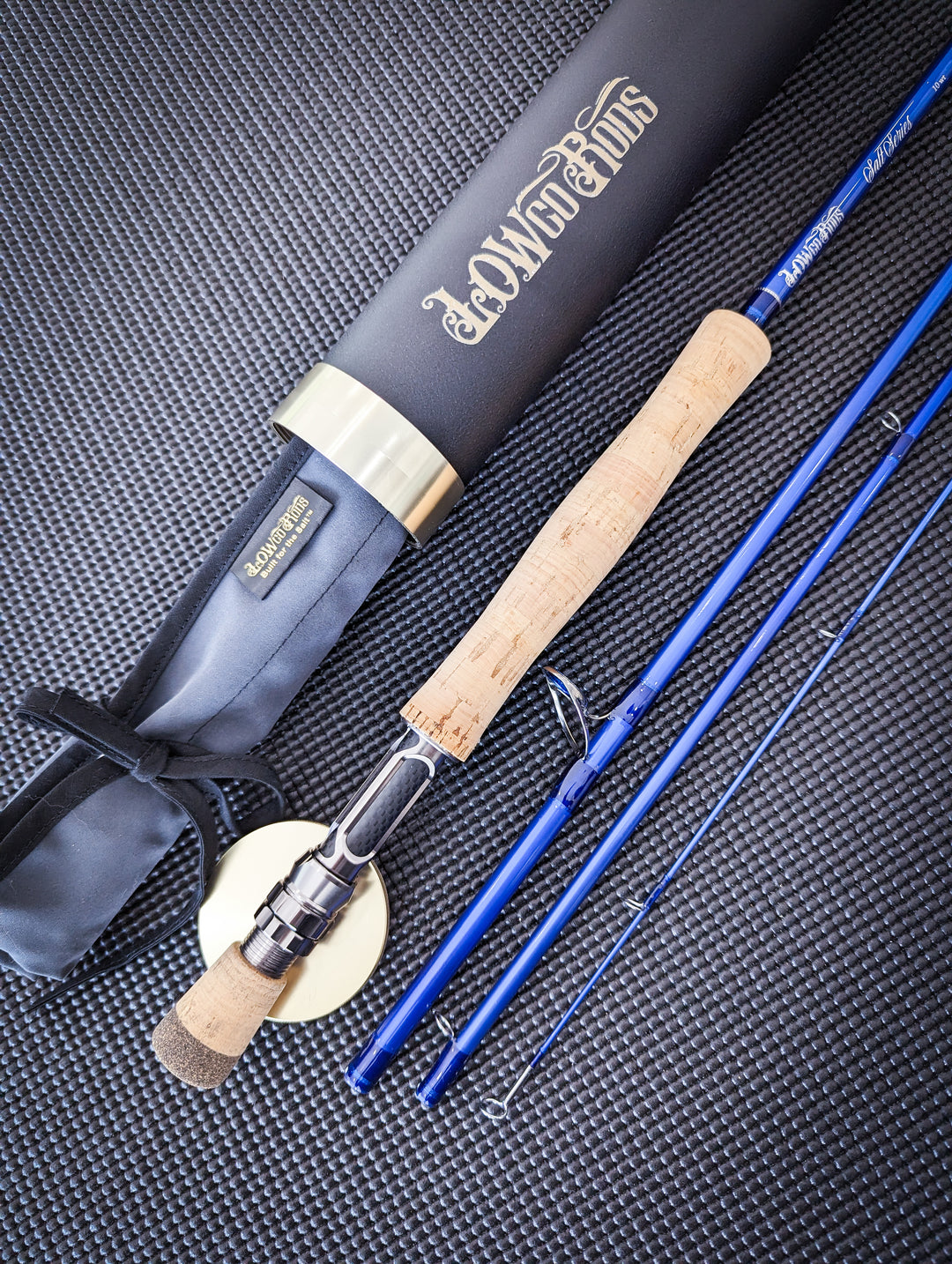
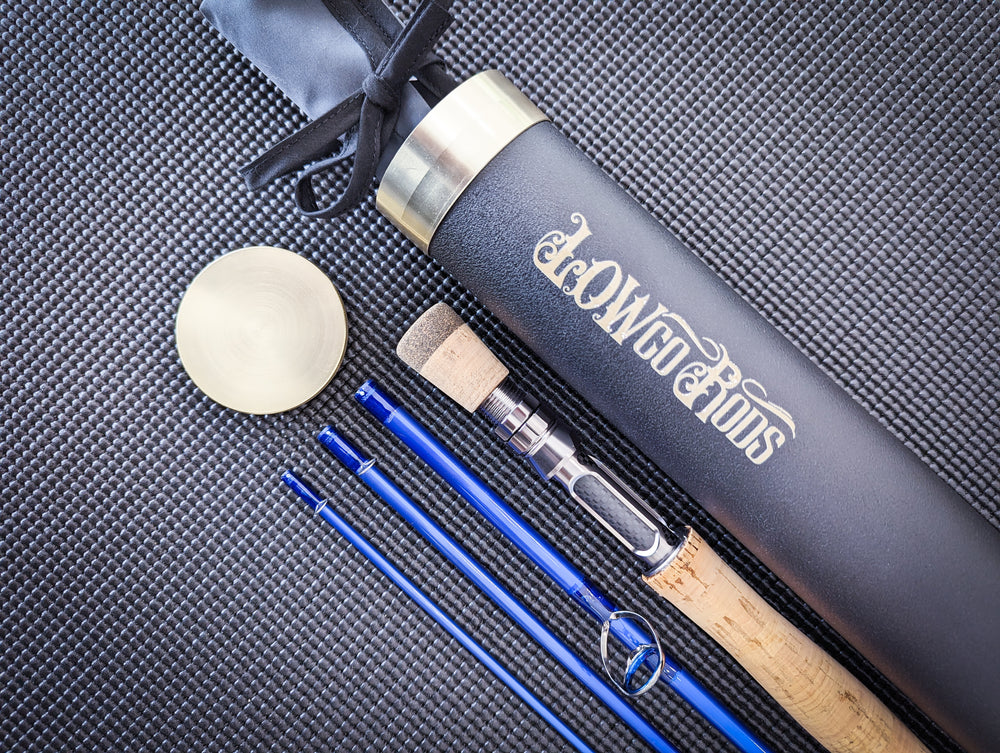
Snook Fly Rod
Snook demand a different kind of fly rod than most anglers expect. They hit hard, run fast, and live around mangroves, docks, current, and structure that can punish a weak setup in a hurry.
A good snook fly rod needs enough power to turn fish, enough line speed to beat wind, and enough control to make accurate shots around cover. That balance is why most anglers fishing snook on the coast end up in the 8 weight to 9 weight range.
If you are trying to choose the best fly rod for snook, this guide breaks down the right rod weight, the best setup, and when to fish an 8 weight versus a 9 weight.
What Is the Best Fly Rod for Snook?
For most inshore snook fishing, the best fly rod is an 8 weight or 9 weight saltwater rod with fast recovery, strong lifting power, and corrosion resistant components.
An 8 weight is the better all around option for general snook fishing, especially when you are mixing redfish, trout, and snook into the same day. A 9 weight becomes the better tool when wind picks up, flies get larger, or fish are holding tighter to structure.
What Weight Fly Rod for Snook?
The most common question anglers ask is simple: what weight fly rod for snook actually makes the most sense?
The short answer is this: an 8 weight handles most snook situations well, while a 9 weight gives you more authority when conditions get tougher.
If you are deciding between rod weights for snook, this quick table shows where each one fits best.
| Rod Weight | Best For | Conditions | Snook Situation | Tradeoff |
|---|---|---|---|---|
| 7 Weight | Light presentations in protected water | Calm mornings, smaller flies, open edges | Smaller snook in easy conditions | Limited power around structure and wind |
| 8 Weight | Best all around snook fly rod | General inshore fishing, mixed wind, marsh and mangrove edges | Everyday snook fishing with balanced power and presentation | Most versatile choice |
| 9 Weight | Heavier flies and stronger fish | Wind, current, dock lights, tight cover | Bigger snook and more demanding shots | Less finesse on lighter presentations |
7 Weight
A 7 weight can work in very calm conditions with smaller flies, but it is usually not the best dedicated snook fly rod. Once wind shows up or fish push tight to mangroves, most anglers want more power.
8 Weight
The 8 weight is the best starting point for most anglers. It gives you enough backbone to turn fish, enough line speed for inshore wind, and enough feel for accurate shots in shallow water.
9 Weight
The 9 weight is the better choice when snook are larger, cover is heavier, or conditions are rougher. It turns over bigger baitfish patterns more easily and helps you pull fish away from structure faster.
Why an 8 Weight Works So Well for Snook
The 8 weight remains the best all around snook fly rod because it covers the widest range of inshore fishing. It can handle snook around mangroves, docks, grass edges, and open shorelines while still being light enough to cast all day.
If you want a versatile setup that also crosses over well into redfish, trout, and general flats fishing, the Marsh MX 8 Weight Fly Rod is the logical place to start.
For a deeper look at why this rod weight is so useful, read Best 8 Weight Fly Rod for Saltwater.
When to Step Up to a 9 Weight for Snook
A 9 weight makes sense when you are regularly throwing larger flies, fishing heavier wind, or targeting bigger snook around tougher structure.
- Strong coastal wind
- Larger baitfish flies
- Snook holding tight to mangroves or docks
- Heavier current or night fishing situations
- Bigger fish that need to be turned quickly
When those conditions become normal, the Marsh MX 9 Weight Fly Rod becomes the better dedicated tool.
 Snook Fly Rod Setup
A good snook fly rod setup should be built around control and quick turnover.
Rod
An 8 weight for versatility or a 9 weight for more power in wind and structure.
Line
A weight forward floating line is the best all around choice for shallow inshore snook fishing. In deeper channels or faster current, some anglers also keep an intermediate setup ready.
Leader
A 9 foot leader in the 16 to 20 pound class is a strong starting point, depending on cover and fly size.
Flies
Snook respond well to baitfish patterns, shrimp flies, and slightly bulkier flies that push water and stay visible in current.
For a broader breakdown on choosing rod weights for saltwater conditions, read the Saltwater Fly Rod Weight Guide.
Where Snook Fishing Overlaps with Flats Fishing
Snook fishing is not always a pure dock or bridge game. In many coastal fisheries, the same angler may target redfish, snook, and other inshore species across marsh edges, backwater shorelines, and open flats in the same stretch of water.
That is why rod choice matters so much. You need a setup that can make quick accurate shots, handle changing wind, and still control a fish that wants to bury itself in cover.
To compare where these rod weights fit into broader coastal fishing, visit the Flats Fly Rod Guide.
Our Recommendation
If you want one rod that gives you the best overall range for snook, start with an 8 weight. If your fishing leans harder into wind, bigger fish, and heavier cover, move to a 9 weight.
Shop the best fits here:
FAQ: Snook Fly Rod
What is the best fly rod for snook?
For most anglers, the best fly rod for snook is an 8 weight or 9 weight saltwater fly rod, depending on wind, fly size, and cover.
What weight fly rod for snook should I use?
An 8 weight is the best all around choice. A 9 weight is better when conditions are windier or fish are holding tight to structure.
Is an 8 weight enough for snook?
Yes. An 8 weight is enough for most inshore snook fishing and is the most versatile option for mixed species days.
When should I use a 9 weight for snook?
Use a 9 weight when you are casting larger flies, fishing stronger wind, or targeting bigger snook around cover.
What is a good snook fly rod setup?
A solid snook fly rod setup starts with an 8 weight or 9 weight rod, a weight forward fly line, a 9 foot leader, and baitfish or shrimp patterns matched to the conditions.